

What You Need to Know
- Immune function naturally declines after 40 through a process called immunosenescence — a gradual remodeling of immune activity that affects how your body fights infection and controls inflammation.
- Estrogen is a significant immune regulator, which is why the hormonal changes of perimenopause can coincide with increased susceptibility to illness and slower recovery.
- Chronic low-grade inflammation (inflammaging) rises as immune regulation becomes less precise with age, contributing to a range of midlife symptoms.
- Evidence-based strategies including key micronutrients, regular exercise, sleep, and targeted compounds like quercetin can meaningfully support immune function after 40.
Getting sick more often than you used to? Taking longer to bounce back from a cold or respiratory infection? Finding that your body just doesn’t feel as resilient as it once did? These experiences are common in women after 40 — and they reflect real, measurable changes in how the immune system functions as we age. The good news is that these changes are not inevitable or fixed. There is strong evidence that specific lifestyle choices, nutritional strategies, and targeted supplementation can meaningfully support immune health in midlife and beyond.
What Happens to Your Immune System After 40?
Your immune system is extraordinarily complex — a coordinated network of cells, tissues, organs, proteins, and signaling molecules that work together to defend against pathogens, repair damaged tissue, and regulate inflammation. Like every biological system, it changes with age. Scientists use the term immunosenescence to describe this age-related remodeling of immune function.
Immunosenescence involves several interconnected changes. The thymus — a gland in the chest that produces and matures T cells (a critical class of immune cells) — begins to involute (shrink and become fatty) as early as puberty, and this process accelerates through midlife. By age 40–50, thymic output of new, naïve T cells has substantially declined. This means the immune system has a smaller pool of fresh T cells available to respond to new pathogens or threats it hasn’t encountered before.
Natural killer (NK) cell activity, which provides rapid innate immune responses against infected cells and tumor cells, also shifts with age — NK cell numbers may increase, but their functional efficiency often declines. Macrophage activity and neutrophil function similarly become less precise.
Perhaps most significantly for how midlife women feel day-to-day, inflammatory regulation becomes less efficient. The immune system becomes slightly more prone to chronic low-level inflammatory signaling — a state sometimes called inflammaging — while becoming somewhat less effective at mounting and then resolving acute immune responses. This helps explain both increased susceptibility to infections and the chronic low-grade inflammation that underlies many midlife symptoms.
Research published in Nature Reviews Immunology has confirmed that this immune remodeling is observable in population studies, with consistent findings of reduced adaptive immune responses and elevated inflammatory markers in middle-aged and older adults compared to younger populations.
Why Hormonal Changes Affect Immunity
Estrogen is not just a reproductive hormone — it is a significant immunomodulator with receptors found on a wide range of immune cells, including T cells, B cells, natural killer cells, and macrophages. The relationship between female hormones and immune function is complex and bidirectional, which is why the hormonal changes of perimenopause have real and measurable effects on immunity.
Estrogen generally promotes a more robust immune response — it enhances antibody production, supports the activity of B cells, and has anti-inflammatory effects through certain pathways. This partly explains why premenopausal women tend to mount stronger immune responses to vaccines and infections than age-matched men, but also why women are more prone to autoimmune conditions (as the heightened immune activity can turn against the body).
As estrogen levels decline and become more erratic in perimenopause, these immune-supporting effects become less consistent. Research has found that vaccine response efficacy — how well the immune system creates protective immunity after vaccination — declines more rapidly in women after menopause than in premenopausal women. This suggests that the hormonal changes of midlife directly affect the immune system’s ability to learn and remember.
Progesterone also has immune-modulating effects, generally acting to dampen immune activity (an important function during pregnancy, where it prevents rejection of the fetus). As progesterone declines in perimenopause, this restraining influence changes — potentially contributing to increased inflammatory activity.
The adrenal hormone cortisol, which tends to be higher in women experiencing the chronic stress common in midlife, also suppresses immune function when chronically elevated — making stress management an immune health priority, not just a mental health one.
Signs Your Immune System Needs Support
The signs of suboptimal immune function after 40 can be subtle, but they tend to fall into recognizable patterns when you know what to look for.
More frequent infections: Getting sick more often than you used to — more colds, more respiratory infections, more urinary tract infections — is a common early indicator of declining immune surveillance. While everyone gets sick sometimes, a pattern of catching whatever is going around more readily than before is worth addressing.
Slower recovery: Taking longer than usual to recover from ordinary infections is a hallmark of immunosenescence. If what used to resolve in three or four days now lingers for two weeks, this reflects reduced immune efficiency in mounting and completing an acute response.
Wounds that heal slowly: Immune cells are essential for wound repair. Slower healing of cuts, bruises, and skin irritations can reflect reduced immune cell activity and growth factor production — a subtle sign that immune function is less efficient.
Persistent low-grade fatigue: Chronic immune activation — the low-level inflammatory state of inflammaging — consumes metabolic resources and creates cytokines (immune signaling molecules) that produce fatigue and malaise. If you feel persistently tired without a clear cause, immune dysregulation may be contributing.
Increased inflammatory symptoms: More joint stiffness, more allergy-like reactions, skin sensitivities, or a generally increased tendency toward aches and pains can reflect the shift toward greater inflammatory tone that accompanies immune aging.
Gut changes: Since 70–80% of immune tissue is located in the gut, gut health and immune health are deeply connected. New digestive sensitivities or increased bloating may accompany immune changes.
Evidence-Based Ways to Strengthen Immunity After 40
The immune system is highly responsive to nutritional and lifestyle inputs. Several interventions have strong clinical evidence for supporting immune function in midlife women specifically.
Vitamin D: Vitamin D is not just a vitamin — it functions as a hormone and plays a central role in immune regulation. Vitamin D receptors are found on virtually all immune cells, and sufficient vitamin D is required for both innate and adaptive immune function. Research consistently shows that vitamin D deficiency is associated with increased susceptibility to infections and autoimmune conditions — and that deficiency is extremely common, particularly in women over 40 in northern latitudes. Blood levels of 40–60 ng/mL are generally considered optimal for immune health. Getting levels tested and supplementing accordingly (typically 2,000–5,000 IU daily for many women) is one of the highest-impact immune interventions available.
Zinc: Zinc is essential for the development and function of immune cells at every level of the immune hierarchy, including neutrophils, natural killer cells, T cells, and B cells. Zinc deficiency — even mild deficiency — impairs immune function measurably. Research shows that zinc supplementation can reduce the duration and severity of colds and supports vaccine responses in older adults. Absorption can be reduced after 40 due to changes in stomach acid production.
Quercetin: Quercetin is a natural flavonoid found in apples, onions, berries, and capers that has emerged as one of the best-studied botanical immune compounds. Multiple clinical studies have found that quercetin supplementation reduces the incidence and severity of upper respiratory infections in adults. It works through several mechanisms: antiviral activity against multiple respiratory viruses, inhibition of the inflammatory cytokines IL-6 and TNF-alpha, and antioxidant activity that reduces oxidative stress in immune cells. Research published in Nutrients has found significant reductions in sick days and infection severity with quercetin supplementation. Liposomal delivery dramatically improves its bioavailability.

Liposomal Quercetin
A highly bioavailable quercetin formula designed to support immune resilience, reduce inflammatory signaling, and help your body respond more efficiently to seasonal threats — formulated for women over 40.
Shop Now — $55Lifestyle Habits That Support Immune Function
Supplementation and nutrition provide the raw materials for immune function — but the lifestyle context determines how effectively those materials are used. Several well-studied habits have direct and significant effects on immune health after 40.
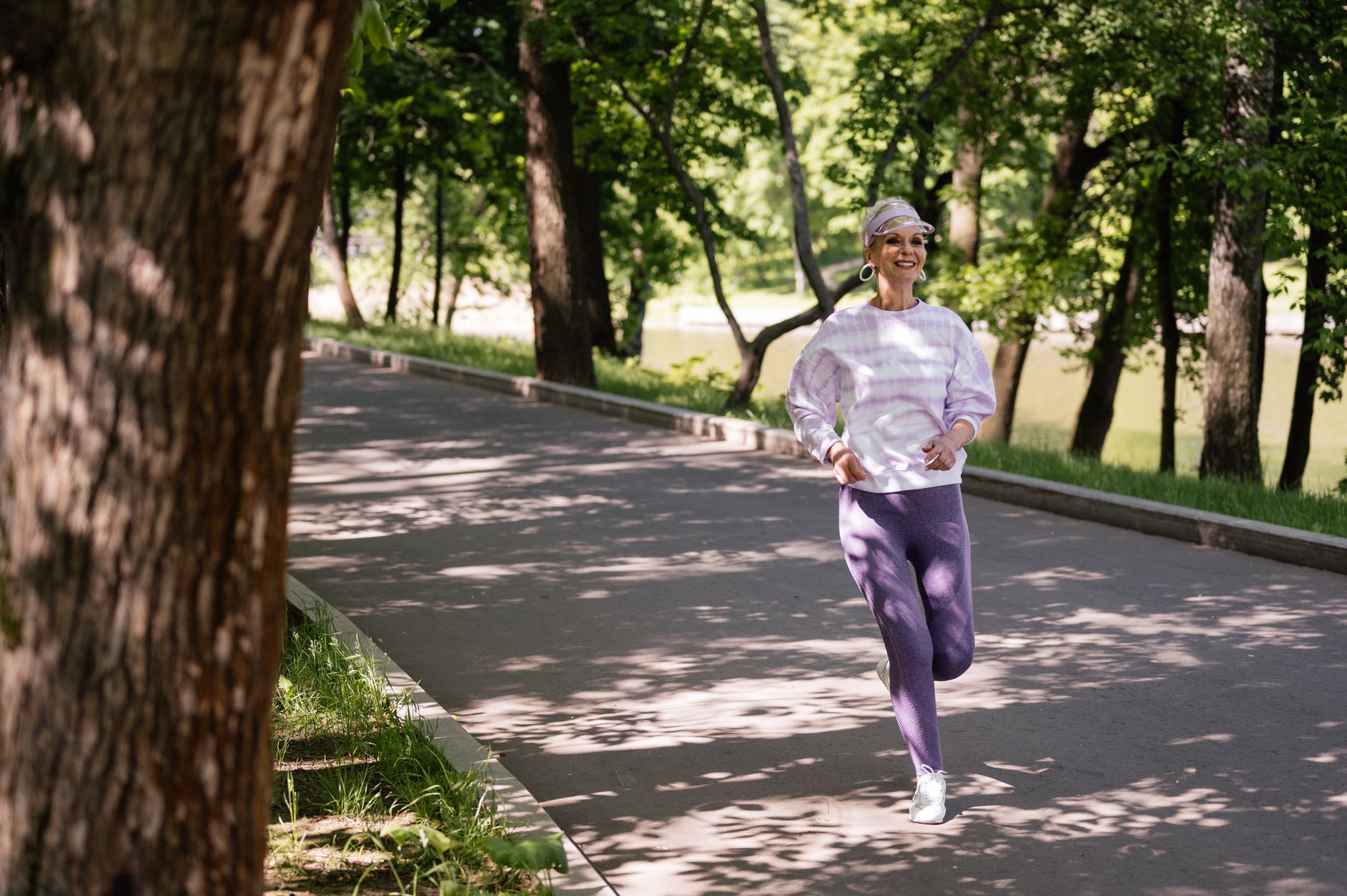
Regular moderate exercise: Exercise has a profound and well-documented positive effect on immune function. Regular moderate aerobic exercise — walking, cycling, swimming, dancing — increases the circulation of immune cells, enhances natural killer cell activity, reduces inflammatory cytokines, and improves vaccine response. Research specifically shows that women over 40 who exercise moderately get sick less often and recover more quickly. The key word is “moderate” — very intense, high-volume training without adequate recovery can temporarily suppress immune function, but this is not a concern for typical recreational exercise levels.
Adequate sleep: Sleep is when your immune system does much of its most important work — producing and releasing cytokines, repairing damaged cells, consolidating immune memory, and managing inflammation. Research from the Carnegie Mellon University has found that sleeping fewer than seven hours per night makes adults nearly three times more likely to develop the common cold when exposed to rhinovirus. For women in perimenopause dealing with sleep disruption, addressing sleep quality is a direct immune intervention.
Stress management: Chronic psychological stress suppresses immune function through sustained elevation of cortisol and inflammatory cytokines. Research on caregivers, bereaved individuals, and chronically stressed populations consistently shows impaired vaccine responses and increased illness susceptibility. Mindfulness practices, regular nature exposure, adequate leisure and rest, and addressing the structural sources of chronic stress all have direct immune benefits.
Gut health support: Given that most of the immune system resides in and around the gut, supporting gut microbiome diversity through dietary fiber, fermented foods, and probiotic supplementation directly supports immune function. Research has found that certain probiotic strains reduce the frequency and severity of upper respiratory infections — a direct demonstration of the gut-immune connection.
Limit alcohol: Even moderate regular alcohol consumption measurably impairs immune function — affecting gut barrier integrity, immune cell activity, and inflammatory regulation. Research published in Alcohol Research has consistently linked regular alcohol intake with increased susceptibility to infections and impaired immune response. Reducing intake is one of the clearest lifestyle modifications for immune support.
Recommended by Happy Aging
Vitamin C Lipopak
Science-backed formula designed for women over 40.
Try Vitamin C Lipopak — from $68/month →Frequently Asked Questions
Does immunity really decline at 40, or is that just for older people?
Immune remodeling begins earlier than most people expect — measurable changes in T cell output and inflammatory markers appear in adults in their 30s and 40s. The changes are subtle at first and accelerate over time, but supporting immune health proactively in your 40s makes a real difference for both present resilience and long-term immune aging.
Can quercetin really reduce how often I get sick?
Several randomized controlled trials have found that quercetin supplementation reduces the incidence, severity, and duration of upper respiratory infections in adults. The evidence is most consistent for physically active individuals and those with quercetin deficiency from low fruit and vegetable intake, but population-wide studies also show protective effects.
Is it safe to take immune supplements daily?
For most healthy adults, daily use of vitamins D, C, zinc, and quercetin at evidence-based doses is considered safe. As with any supplement, it’s worth discussing with your doctor if you have underlying health conditions, take medications, or are pregnant. Zinc in particular should not be taken in very high doses long-term without medical supervision.
Do vaccines work as well after 40?
Vaccine efficacy does decline somewhat with age, particularly after menopause, due to reduced B cell and T cell responsiveness. Vitamin D sufficiency, good sleep, regular exercise, and avoiding significant stress around vaccination time can all improve vaccine response. This is one more reason to maintain good immune health year-round, not just during cold and flu season.
What’s the single most important thing for immune health after 40?
If forced to choose one, adequate sleep would edge out other factors. Sleep is when the immune system repairs, consolidates immune memory, and regulates inflammatory tone. Consistent quality sleep of 7–9 hours is more impactful on immune function than any single supplement — though optimizing both is ideal.
References
- Nikolich-Žugich J. The twilight of immunity: Emerging concepts in aging of the immune system. Nature Immunology. 2018;19(1):10–19. doi:10.1038/s41590-017-0006-x
- Klein SL, Flanagan KL. Sex differences in immune responses. Nature Reviews Immunology. 2016;16(10):626–638. doi:10.1038/nri.2016.90
- Aranow C. Vitamin D and the immune system. Journal of Investigative Medicine. 2011;59(6):881–886. doi:10.2310/JIM.0b013e31821b8755
- Hemilä H, Chalker E. Vitamin C for preventing and treating the common cold. Cochrane Database of Systematic Reviews. 2013;(1):CD000980. doi:10.1002/14651858.CD000980.pub4
- Shanely RA, Nieman DC, Henson DA, et al. Quercetin’s influence on exercise-induced changes in plasma cytokines and muscle and leukocyte cytokine mRNA. Journal of Applied Physiology. 2010;109(6):1728–1735. doi:10.1152/japplphysiol.00707.2010
- Cohen S, Doyle WJ, Alper CM, Janicki-Deverts D, Turner RB. Sleep habits and susceptibility to the common cold. Archives of Internal Medicine. 2009;169(1):62–67. doi:10.1001/archinternmed.2008.505


