

Signs Your Immune System Is Getting Stronger After 40 (What to Watch For)
When you start making changes to support your immune health after 40, whether through diet improvements, targeted supplementation, better sleep, or stress reduction, it is natural to wonder: how will I know if it is working? Immune function is largely invisible. You cannot feel your T cells activating or watch your antibody response improve. But the immune system does communicate through signals that are entirely observable if you know what to look for. Recognizing these signs not only confirms your efforts are paying off, it reinforces the behaviors that are driving the improvement.
What to Know
- A strengthening immune system is most clearly observed through fewer illnesses, faster recovery when you do get sick, improved wound healing, and reduced low-grade inflammatory symptoms like joint stiffness and skin issues.
- Immune improvement is not a linear process. You may notice some signs within a few weeks (better sleep, improved energy) while other markers (fewer seasonal illnesses) only become clear over months.
- After 40, immune function changes significantly due to declining estrogen, reduced NAD+ levels, increased chronic inflammation, and reduced sleep quality. Targeted intervention can measurably reverse these changes.
- Sleep quality is both a sign that immunity is improving and a direct driver of immune strength. The two are deeply linked, and tracking sleep improvement is one of the most reliable early markers of immune progress.
- Reduced skin sensitivity, lower gut reactivity, and more stable energy levels are often among the first observable signs that immune regulation is improving, even before you notice fewer colds.
Sign 1: You Get Sick Less Often
The most obvious sign of a stronger immune system is a reduction in the frequency of infections. This is not always visible in the short term, particularly if you are improving your immune health in a season with low pathogen exposure. But over the course of three to six months, women with improving immune function consistently report fewer upper respiratory infections, colds, and minor viral illnesses compared to the same period in prior years.
After 40, the thymus gland (which produces naive T cells, a critical component of adaptive immunity) shrinks progressively, reducing the diversity of the immune response. This involution of thymic function, combined with declining estrogen and NAD+ levels, produces the increased susceptibility to infections that many women notice in their 40s and 50s. Reversing these trends requires addressing multiple immune pathways simultaneously, which is why lifestyle changes produce broader immune benefit than any single supplement alone.
Track your illness frequency by season. If you were sick four times last fall and this fall you only caught one mild cold that resolved within 4 days, that is a meaningful sign of improved immune surveillance and response capacity.
Sign 2: When You Do Get Sick, You Recover Faster
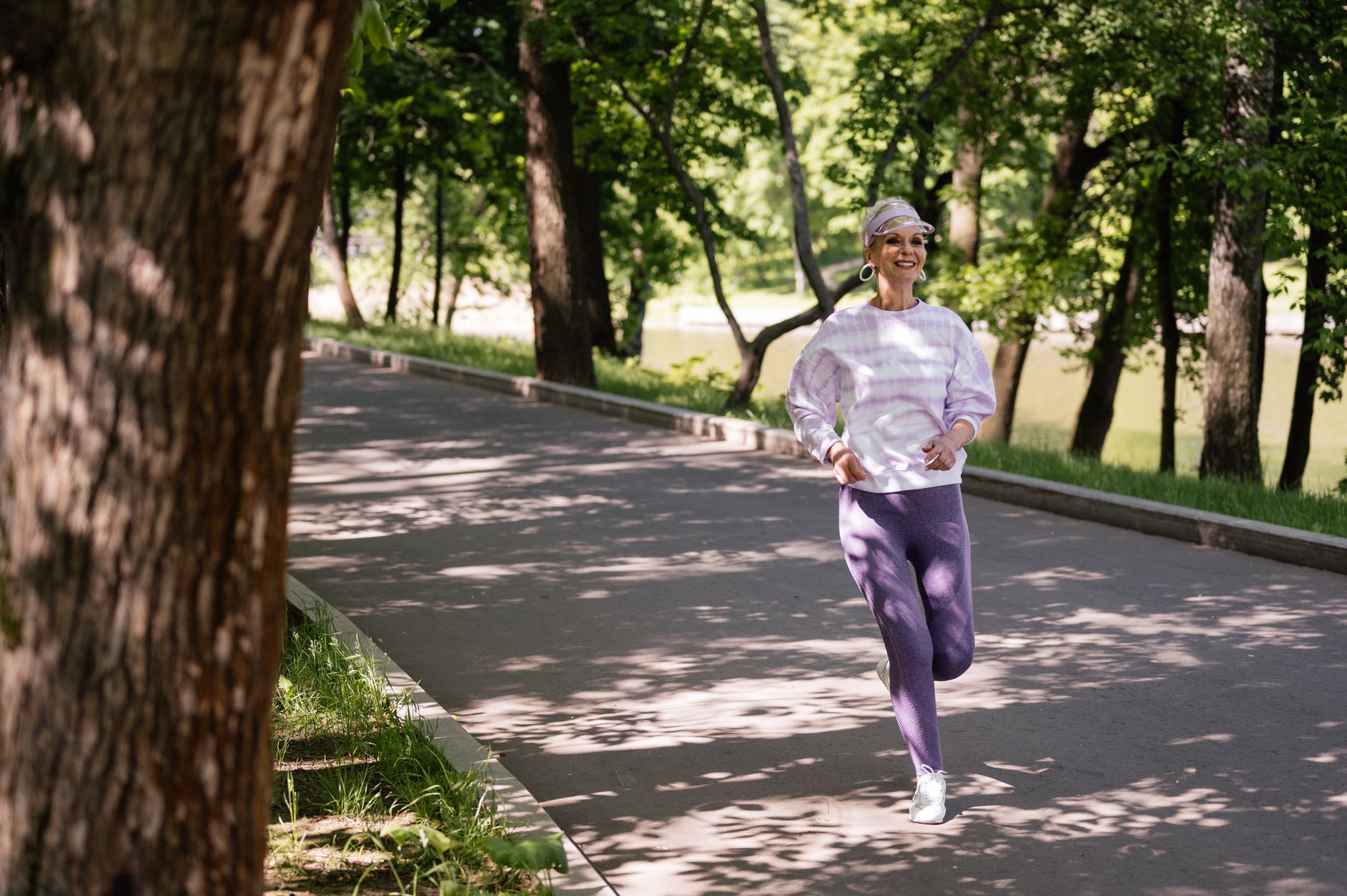
A strengthening immune system does not make you completely impervious to infection, but it dramatically changes the trajectory of illness when it does occur. Women who have improved their immune health notice that colds and minor infections run a shorter course, peak less severely, and resolve without secondary complications like prolonged fatigue, secondary bacterial infections, or weeks of lingering symptoms.
Recovery speed reflects the quality of the innate immune response (how quickly the body identifies and deploys an initial response to a pathogen) and the adaptive immune response (how rapidly memory T and B cells respond if they have encountered the pathogen before). Both are supported by adequate vitamin D, zinc, quercetin, and sleep, all of which also have their most dramatic effects at the immune recovery level rather than at prevention.
If you previously needed 10 to 14 days to feel fully recovered from a cold and now bounce back in 5 to 7 days, this improvement in resolution speed is one of the clearest signs of a more robust immune system.
Sign 3: Wound Healing and Bruising Improve
Skin and tissue healing are mediated by immune cells, particularly macrophages and T cells. When immune function is compromised, wound healing slows, minor cuts or abrasions take longer to resolve, bruises linger, and the skin heals with more visible marking. Many women over 40 notice their skin has become more fragile and slower to heal than it was in their 30s, a pattern driven by both declining collagen production and immune competence changes.
As immune function improves, tissue repair accelerates. Minor cuts close more cleanly, bruises fade more quickly, and small inflammatory skin reactions (from razors, bug bites, or minor irritants) resolve within days rather than weeks. This accelerated healing is not always immediately obvious, but once women start paying attention, it often becomes one of the most noticeable signs of immune progress.
Sign 4: Skin and Allergy Symptoms Become Less Reactive

Immune dysregulation after 40 often manifests as increased inflammatory skin reactivity: more frequent breakouts, flare-ups of eczema or rosacea, more sensitive skin that reacts to products it previously tolerated, and seasonal allergy symptoms that feel more intense than they used to. These symptoms reflect immune hyperreactivity, where the immune system is overresponding to minor stimuli.
As immune regulation improves (particularly as inflammatory cytokine levels come down and regulatory T cell function is restored), this hyperreactivity softens. Skin becomes less reactive to environmental triggers, seasonal allergies may feel more manageable, and inflammatory skin conditions tend to flare less frequently and less intensely.
Research on quercetin, a bioflavonoid with well-documented anti-inflammatory and mast cell-stabilizing effects, has shown that supplementation significantly reduces the release of histamine and other pro-inflammatory mediators in immune cells. This translates to reduced allergic reactivity and lower inflammatory load, which manifests as calmer skin, fewer allergy symptoms, and lower systemic inflammation over time.
Sign 5: Your Sleep Gets Deeper and More Restorative
Sleep and immune function are profoundly interdependent. During deep sleep, the immune system undergoes critical maintenance: inflammatory cytokines are cleared, immune memory is consolidated, and growth hormone (which supports immune cell production) is secreted. Poor sleep acutely suppresses immune function. Research has shown that sleeping less than 6 hours per night more than quadruples susceptibility to the common cold compared to sleeping 7 or more hours.
The relationship also runs in the other direction: a strengthening immune system tends to produce better sleep. As chronic low-grade inflammation decreases, the inflammatory cytokines that disrupt sleep architecture become less prevalent, and the hypothalamic regulation of the sleep-wake cycle improves. Many women notice that as their immune health and inflammatory load improve, sleep deepens, nighttime awakenings become less frequent, and morning energy improves significantly.
Improved sleep is therefore both a sign of improving immune health and a cause of further immune improvement, a positive feedback loop that reinforces itself once it begins.
Sign 6: Stable, Sustained Daily Energy
Chronic low-grade immune activation (often called inflammaging) is one of the major drains on energy in women over 40. When the immune system is in a state of persistent low-level activation, it consumes significant metabolic resources (particularly glucose and mitochondrial energy) that would otherwise be available for cognitive function, physical performance, and emotional regulation.
As immune health improves and inflammaging is reduced, many women experience a noticeable improvement in their baseline daily energy. The afternoon energy crash softens, morning energy becomes more reliable, and the pervading sense of low-level exhaustion that many women dismiss as “just what 40s feels like” begins to lift. This improvement is often one of the most motivating signs of immune progress because it is felt so consistently and across the day.

Liposomal Quercetin (Relief Tonic)
A highly bioavailable liposomal quercetin formula designed to support immune function, reduce inflammatory load, and improve cellular resilience in women over 40.
$55/month with subscription
Shop NowSign 7: Gut Symptoms Improve
Approximately 70 percent of the immune system resides in the gut-associated lymphoid tissue (GALT). When the gut microbiome is imbalanced or the gut lining is compromised, immune dysregulation is the result. Conversely, when gut health improves, immune regulation improves with it. Many women notice that their gut symptoms (bloating, irregular digestion, food sensitivities) improve alongside immune improvements, because the two are inseparable.
Reduced bloating, more comfortable digestion, and improved tolerance for a wider range of foods are indirect signs that both gut health and immune regulation have improved. These changes are particularly relevant after 40, when the gut microbiome shifts of menopause and the immune changes of aging create a bidirectional vulnerabilit that lifestyle intervention can meaningfully address.
Recommended by Happy Aging
Vitamin C Lipopak
Science-backed formula designed for women over 40.
Try Vitamin C Lipopak — from $68/month →Frequently Asked Questions
How long does it take for immune health interventions to show measurable improvements?
Early signs (improved sleep, reduced skin reactivity, better energy) often appear within 4 to 8 weeks of consistent changes. Reduced frequency of illness is a slower marker: you need at least one full season (3 to 4 months) to observe a meaningful difference in how often you get sick. Biomarkers like inflammatory markers (CRP, IL-6) typically show improvement at 6 to 12 weeks of targeted intervention in research studies. Patience and consistency are essential.
Can stress undo immune improvements?
Yes. Chronic psychological stress directly suppresses immune function through cortisol-mediated effects on immune cell trafficking, antibody production, and natural killer cell activity. This is why stress management is not optional for women focused on immune health after 40: it is mechanistically central. Even excellent nutritional support for immunity can be largely counteracted by sustained high cortisol. Managing stress is as important as managing diet for immune outcomes.
Does quercetin really boost the immune system?
Quercetin is one of the most studied natural immune modulators. Research has documented its ability to reduce mast cell histamine release (reducing allergic reactivity), inhibit pro-inflammatory cytokine production (IL-6, TNF-alpha), support the zinc ionophore pathway (enhancing zinc’s antiviral effects), and improve natural killer cell function. These effects are well-supported in in vitro and animal models and have been documented in several human clinical trials, particularly for upper respiratory infections and allergy symptoms.
Is it normal to feel slightly worse before feeling better when improving immune health?
Some women experience a brief period of increased mild symptoms (mild fatigue, temporary skin changes, or digestive adjustment) in the first 1 to 2 weeks of significant gut or immune interventions, particularly probiotic supplementation or major dietary shifts. This reflects the immune system recalibrating to new microbial inputs and reducing longstanding low-grade inflammation that was being maintained below symptomatic threshold. If this occurs, it typically resolves within 1 to 2 weeks and is followed by the improvements described in this article.
What immune tests can confirm that my immune health is improving?
Several biomarkers can track immune improvement: high-sensitivity C-reactive protein (hsCRP) measures systemic inflammation and should decrease with a healthier lifestyle. Complete blood count (CBC) with differential shows immune cell populations. Vitamin D blood levels are a critical immune health marker. Serum ferritin measures iron stores, which are essential for immune cell function. These tests are available through standard labs and provide objective confirmation of the improvements you are feeling subjectively.
References
- Prather AA, et al. Behaviorally assessed sleep and susceptibility to the common cold. Sleep. 2015;38(9):1353-1359. doi:10.5665/sleep.4968
- Aranow C. Vitamin D and the immune system. J Investig Med. 2011;59(6):881-886. doi:10.2310/JIM.0b013e31821b8755
- Mlcek J, et al. Quercetin and its anti-allergic immune response. Molecules. 2016;21(5):623. doi:10.3390/molecules21050623
- Franceschi C, et al. Inflammaging: a new immune-metabolic viewpoint for age-related diseases. Nat Rev Endocrinol. 2018;14(10):576-590. doi:10.1038/s41574-018-0059-4
- Fulop T, et al. Immunosenescence and inflamm-aging as two sides of the same coin: friends or foes? Front Immunol. 2018;8:1960. doi:10.3389/fimmu.2017.01960


