

What You Need to Know
- Weight gain during perimenopause is driven by hormonal changes, not just lifestyle , it is not your fault
- Estrogen decline shifts fat storage from the hips and thighs to the abdomen
- Muscle loss after 35 slows metabolism and makes weight management harder
- Resistance training, protein intake, and sleep are the three most evidence-backed tools for managing perimenopausal weight
You did not change what you eat. You did not stop moving. But the scale crept up anyway , and your clothes started fitting differently, especially around the middle. This experience is so common among women in their 40s that it has a name: perimenopausal weight gain. And while it can feel deeply frustrating, understanding why weight gain perimenopause happens , and what the science says about addressing it , can give you a clear, realistic path forward.
Why Perimenopause Causes Weight Gain
Perimenopause , the transition phase leading up to menopause, which can last anywhere from 4 to 10 years , is a period of significant hormonal fluctuation. Estrogen, progesterone, and testosterone all shift during this time, and each of these changes has downstream effects on metabolism, body composition, appetite, and fat distribution.
It is important to understand that perimenopausal weight gain is not simply the result of eating too much or moving too little. Research published in the Journal of Clinical Endocrinology and Metabolism followed women through the menopausal transition and found that fat mass increased and lean mass decreased during perimenopause, even in women whose total body weight remained unchanged. The composition of the body was shifting , less muscle, more fat , independent of caloric behavior.
Average weight gain during the menopausal transition is estimated at 2-5 pounds, though many women experience more. More significant than the number on the scale is where that weight tends to accumulate: increasingly in the abdomen rather than the hips and thighs. This shift has real health implications, since visceral (abdominal) fat is metabolically active in ways that subcutaneous fat is not.
The Role of Estrogen in Fat Distribution

Estrogen has a direct relationship with how and where the body stores fat. During the reproductive years, higher estrogen levels promote fat storage in the hips, thighs, and buttocks , a pattern sometimes called “gynoid” fat distribution. This fat distribution, while frustrating for many women, is metabolically more benign than abdominal fat.
As estrogen declines in perimenopause, the body shifts toward an “android” or abdominal fat distribution pattern , more similar to the male pattern. This is not coincidental. Estrogen receptors in adipose tissue respond to estrogen by directing fat storage peripherally. When estrogen levels fall, that directional signal weakens, and the body defaults to central fat storage.
Estrogen also plays a role in appetite regulation. It influences leptin sensitivity , leptin is the hormone that signals fullness , and helps regulate ghrelin, the hunger hormone. As estrogen fluctuates in perimenopause, some women experience increased appetite, reduced satiety after meals, and stronger cravings, especially for calorie-dense foods. A study in Obesity Reviews documented that estrogen loss is associated with hyperphagia (increased food intake) in both animal models and human studies, suggesting a genuine physiological drive toward eating more during this transition.
Estrogen also supports insulin sensitivity. Its decline contributes to the insulin resistance discussed in the blood sugar article , which further promotes fat storage, particularly in the abdomen. These mechanisms reinforce each other in ways that explain why even small hormonal changes can produce noticeable body composition shifts.
How Muscle Loss Accelerates Weight Gain
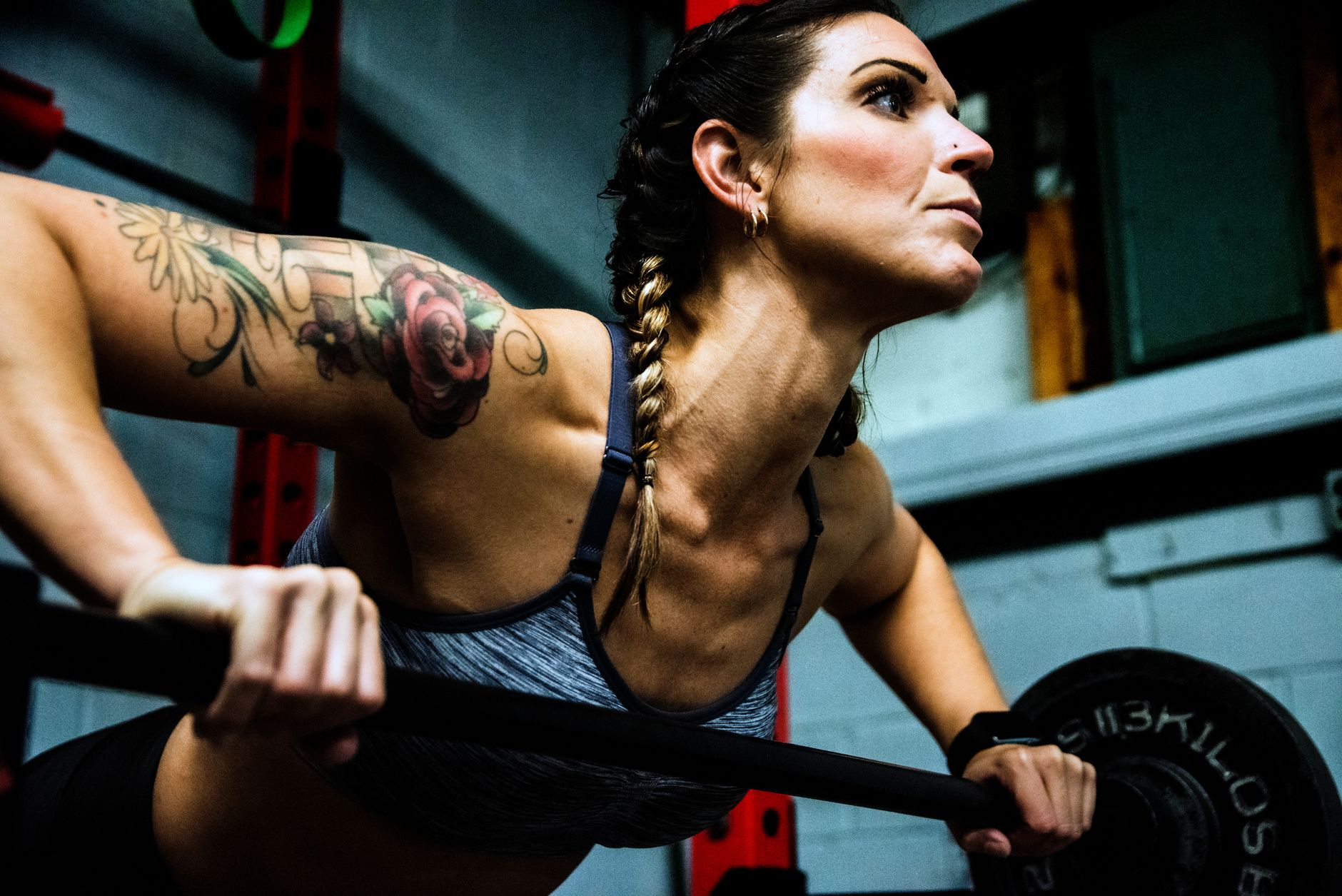
From around age 35, women begin losing muscle mass at a rate of approximately 1-2% per year , a process called age-related sarcopenia that accelerates during perimenopause. This is not simply a cosmetic change. Muscle is metabolically expensive tissue: it burns more calories at rest than fat does. Losing muscle means your resting metabolic rate , the number of calories your body burns just to maintain basic functions , decreases.
Research estimates that for every pound of muscle lost, resting metabolism drops by roughly 6 calories per day. That number sounds small, but across years and multiple pounds of muscle loss, it adds up to a meaningfully lower daily calorie burn. If eating and activity patterns do not adjust to compensate, gradual fat gain becomes almost inevitable.
The hormonal changes of perimenopause accelerate muscle loss through several pathways. Estrogen has an anabolic (muscle-building) effect , it supports muscle protein synthesis and reduces muscle protein breakdown. As estrogen falls, this protective effect diminishes. Testosterone, which also plays a role in muscle maintenance even in women, declines as well.
Inflammation, which tends to increase in midlife, further promotes muscle breakdown by activating catabolic pathways. Chronic low-grade inflammation , elevated in women with poor sleep, high stress, or excess visceral fat , interferes with muscle repair and regeneration.
This is why preserving and building muscle is arguably the single most important strategy for managing perimenopausal weight. Muscle is not just about appearance , it is your metabolic engine, your glucose disposal system, and a key factor in long-term weight regulation.
The Sleep-Weight Gain Connection

Sleep disruption is one of the most common and most overlooked drivers of perimenopausal weight gain. Night sweats, difficulty falling asleep, early waking, and anxiety-driven insomnia are all common during perimenopause , and all of them have measurable effects on the hormones that regulate weight.
Sleep deprivation raises ghrelin (the hunger hormone) and reduces leptin (the satiety hormone), producing a hormonal state that increases appetite and decreases the signal to stop eating. A landmark study in PLOS Medicine found that people sleeping fewer than 6 hours per night had significantly higher BMI and greater levels of the hunger hormones than those sleeping 7-8 hours.
Sleep deprivation also raises cortisol, which promotes abdominal fat storage and worsens insulin resistance. Even partial sleep restriction , getting 6 hours instead of 8 , has been shown to significantly impair glucose metabolism and increase inflammatory markers in research published in Annals of Internal Medicine.
Beyond the hormonal effects, poor sleep impairs decision-making and self-regulation, making it harder to make intentional food choices and more likely you will reach for high-calorie, high-sugar foods for quick energy. Sleep is not a passive contributor to weight , it is an active regulator of metabolism.
For women in perimenopause, addressing sleep disruption is not a luxury , it is a core part of any weight management strategy. This might involve managing hot flashes with cooling bedding, creating a consistent wind-down routine, reducing alcohol (which disrupts sleep architecture), or speaking with a healthcare provider about options for managing night sweats.

What Actually Helps , Evidence-Based Approaches
Given the multi-factorial nature of perimenopausal weight gain, the most effective approaches address several drivers simultaneously rather than focusing on a single fix.
Resistance training is the most important exercise intervention. Unlike cardio, which burns calories during the session, resistance training builds muscle that increases your resting metabolic rate long-term. A systematic review in The British Journal of Sports Medicine found that progressive resistance training significantly improved body composition in perimenopausal and postmenopausal women, reducing fat mass and preserving lean mass. Aim for 2-3 sessions per week, progressively increasing the load over time.
Adequate protein intake is essential. Protein supports muscle synthesis, increases satiety, and has a higher thermic effect than carbohydrates or fat , meaning your body burns more calories digesting it. Research suggests women over 40 benefit from consuming closer to 1.2-1.6 grams of protein per kilogram of body weight per day, which is higher than the general RDA. Spreading protein across meals rather than concentrating it at dinner maximizes muscle protein synthesis.
Reducing refined carbohydrates and ultra-processed foods helps manage the insulin resistance that develops during perimenopause. This does not require eliminating carbohydrates entirely , but prioritizing whole food sources that include fiber significantly moderates blood sugar and insulin responses.
Addressing sleep as described above is foundational. Without adequate sleep, other interventions produce smaller results because the hormonal environment continues working against you.
Creatine, an amino acid compound found in some muscle-support supplements, has emerging evidence supporting its role in muscle preservation in perimenopausal and postmenopausal women. A study in Medicine and Science in Sports and Exercise found that creatine supplementation combined with resistance training improved lean mass and strength outcomes in older women compared to resistance training alone.

Lean Muscle Formula
A vegan protein and creatine blend designed to support muscle preservation and metabolic health during perimenopause and beyond.
Shop Now , $55Movement Strategies That Work for Perimenopausal Bodies
Exercise recommendations for perimenopausal women require some nuance. The standard advice of “do more cardio” is incomplete , and for some women, excessive cardio without adequate recovery can actually elevate cortisol and worsen fat storage around the middle.
Prioritize resistance training over steady-state cardio. This is consistent across multiple lines of evidence. Muscle-building exercise not only improves body composition directly but also improves insulin sensitivity, supports bone density (which also declines during perimenopause), and has been shown to improve mood and reduce anxiety , additional benefits for women navigating this transition.
Walk daily. Walking is underrated. A brisk 30-minute daily walk reduces insulin resistance, lowers cortisol, supports sleep quality, and burns meaningful calories without the cortisol spike of high-intensity exercise. It is also highly sustainable , an important factor for long-term weight management.
Add high-intensity interval training (HIIT) strategically. 1-2 sessions of HIIT per week can boost metabolism, improve cardiovascular fitness, and support fat loss. Research has shown HIIT is effective for visceral fat reduction in midlife women. However, more is not better , excessive HIIT raises cortisol and can impair recovery, especially when sleep is already disrupted. Keep HIIT sessions short (20-30 minutes) and allow adequate recovery days.
Move throughout the day, not just during workouts. Extended sitting raises blood sugar and insulin levels independently of exercise. Breaking up sedentary time with short movement breaks , standing, walking, light stretching , has been shown to improve glucose metabolism. A simple strategy is setting a timer to stand up and move for 2-3 minutes every 45-60 minutes while working.
Avoid using exercise to compensate for food. This mindset can create a stressful, unsustainable relationship with movement. Exercise works best for weight management when it is viewed as supporting muscle, metabolism, and wellbeing , not as punishment or compensation for eating.
Recommended by Happy Aging
Sleep Lipopak
Science-backed formula designed for women over 40.
Try Sleep Lipopak — from $68/month →Frequently Asked Questions
Is weight gain during perimenopause inevitable?
Not entirely , but some body composition changes are very common during this transition due to hormonal shifts. The key is addressing the underlying drivers (muscle loss, insulin resistance, sleep disruption) rather than trying to fight your biology with willpower alone.
Why is my belly bigger even though my weight is the same?
Estrogen decline during perimenopause shifts fat storage from the hips and thighs to the abdomen. Your total weight may not change much, but body composition shifts , less muscle, more visceral fat , which changes your shape even on the scale.
Does hormone therapy help with perimenopausal weight gain?
Hormone replacement therapy (HRT) can reduce the fat redistribution associated with estrogen decline and may improve insulin sensitivity. It is not a weight loss treatment on its own, but it can support a healthier metabolic environment. Discuss the risks and benefits with your healthcare provider.
How much protein do I actually need during perimenopause?
Research suggests 1.2-1.6 grams of protein per kilogram of body weight per day is beneficial for women over 40 to support muscle preservation. For a 150-pound (68 kg) woman, that is approximately 82-109 grams of protein daily , meaningfully more than the standard RDA of 0.8g/kg.
Can supplements help with perimenopausal weight gain?
No supplement replaces diet and exercise, but some have genuine evidence behind them. Creatine monohydrate combined with resistance training has been shown to improve lean mass outcomes in older women. Protein supplementation helps meet daily protein targets. Always choose products with transparent ingredients and third-party testing.
References
- Toth MJ, et al. Body composition changes during the menopausal transition. J Clin Endocrinol Metab. 2000;85(11):4022-4025. doi:10.1210/jcem.85.11.6943
- Lovejoy JC, et al. Increased visceral fat and decreased energy expenditure during the menopausal transition. Int J Obes. 2008;32(6):949-958. doi:10.1038/ijo.2008.25
- Mauvais-Jarvis F, et al. The role of estrogens in control of energy balance and glucose homeostasis. Endocrine Reviews. 2013;34(3):309-338. doi:10.1210/er.2012-1055
- Taheri S, et al. Short sleep duration is associated with reduced leptin, elevated ghrelin, and increased body mass index. PLOS Med. 2004;1(3):e62. doi:10.1371/journal.pmed.0010062
- Peterson MD, et al. Resistance exercise for muscular strength in older adults: a meta-analysis. Ageing Res Rev. 2011;10(3):407-415. doi:10.1016/j.arr.2010.10.001
- Smith-Ryan AE, et al. Creatine supplementation in women’s health: a lifespan perspective. Nutrients. 2021;13(3):877. doi:10.3390/nu13030877
- Stachenfeld NS. Sex hormone effects on body fluid regulation. Exerc Sport Sci Rev. 2008;36(3):152-159. doi:10.1097/JES.0b013e31817be928
- Donnelly JE, et al. American College of Sports Medicine Position Stand: appropriate physical activity intervention strategies for weight loss and prevention of weight regain for adults. Med Sci Sports Exerc. 2009;41(2):459-471. doi:10.1249/MSS.0b013e3181949333


